
The Weekly Reflektion 25/2026
Reflekt has advocated realistic scenarios for training, exercises and ‘what-if’ discussions in several of our Reflektions over the years. Simulators are an important part of the training process and are essential for preparing people for the challenges they may face in their work. For airline flight crews simulators are part of the job. However, sometimes the scenarios are not fully developed and omit steps or overlook key parameters. When the flight crew are required to handle a situation that they are supposed to be trained for, thescenario doesn’t quite run the way the simulator was set up.
Are your training scenarios realistic enough?
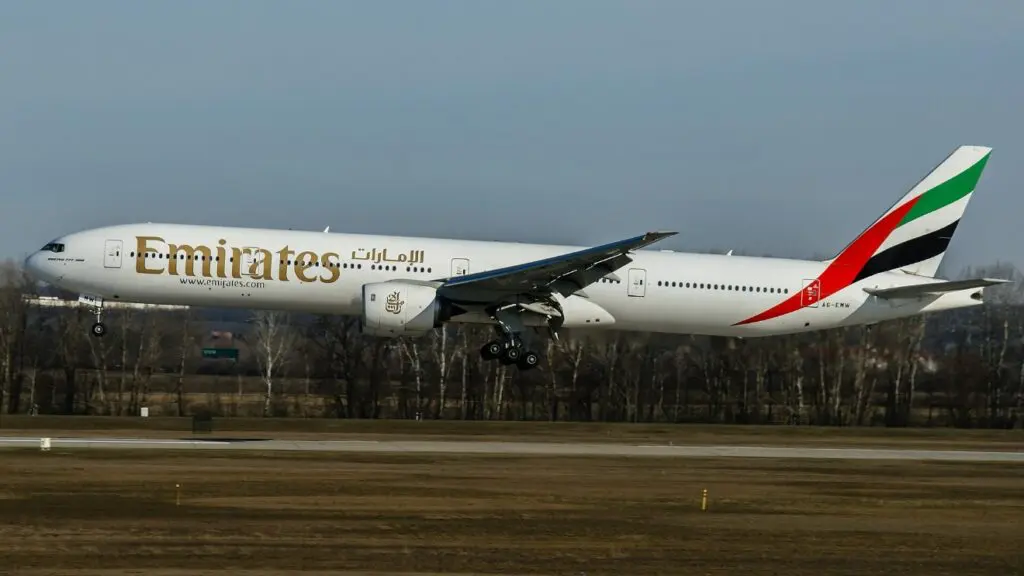
The accident involving Emirates Flight 521 at Dubai International Airport on 3 August 2016 illustrates the importance of airline training programs adequately preparing crews for the full range of operational scenarios they may encounter. The Boeing 777-300ER, operating from Thiruvananthapuram in Southern India to Dubai,crashed during an attempted go-around after touchdown. Remarkably, all 300 passengers and crew survived, although the aircraft was destroyed by fire and a firefighter lost his life during the rescue operation.
The final investigation identified a combination of environmental conditions, automation issues, and human performance factors. During the approach, the aircraft encountered windshear and thermal turbulence that induced changes in airspeed. After touching down beyond the desired touchdown zone, the captain initiated a go-around. However, the crew did not notice that the autothrottle system did not advance the thrust levers as the crew expected, leaving the engines near idle while the aircraft climbed briefly and then descended back onto the runway. The aircraft struck the runway with its landing gear retracting and subsequently caught fire.
An important finding was that the pilots’ simulator training did not adequately replicate the circumstances they encountered. Investigators concluded that reliance on automation and limited exposure to low-altitude go-arounds significantly affected crew performance. The crew had been trained extensively in standard procedures but had little practical experience with a go-around initiated after touchdown and under rapidly changing conditions.
This raises a fundamental question for airline training programs: does compliance-based training sufficiently cover rare but high-consequence events? Modern airline operations are highly automated and extremely safe, meaning pilots rarely experience abnormal situations in real life. Consequently, training must deliberately expose crews to high consequence scenarios that may be unlikely but are operationally plausible.
Other airline accidents highlight similar themes. In an accident involving Asiana Airlines Flight 214 in 2013, pilots mismanaged automation and air speed during approach, resulting in a fatal crash. Similarly, Flydubai Flight 981 crashed during a go-around after the crew lost situational awareness in adverse weather. In both cases, automation dependence, monitoring failures, and inadequate preparation for unexpected situations contributed to the outcome. These events demonstrate that technical proficiency alone is insufficient; crews must also be trained to recognize and recover from rapidly developing threats.
The key lesson from Emirates Flight 521 is that training programs should not just be based on routine procedural compliance. They need to have greater emphasis on scenario-based learning. Realistic simulator sessions involving unstable approaches, late go-arounds, automation anomalies, windshear encounters, and degraded aircraft energy states can improve resilience and decision-making. The objective is not merely to train pilots to follow procedures, but to prepare them for situations that differ from those anticipated by the procedure. United Emirates Flight 521 demonstrates that even highly experienced crews operating sophisticated aircraft can be vulnerable when faced with unexpected events.