The Weekly Reflektion 16/2026
A thorough investigation of any accident, and in particular a Major Accident is essential to understand, the ‘what’, ‘how’ and ‘why’. Only with this understanding is there a basis for appropriate recommendations. Unfortunately, there are many technical, organisational and administrative factors that seem to get in the way of implementation. Sometimes the memory of the accident fades and priorities change. It is then we need a reminder of the importance of not getting it wrong.
Do you follow up the recommendations from your investigations in a timely manner?
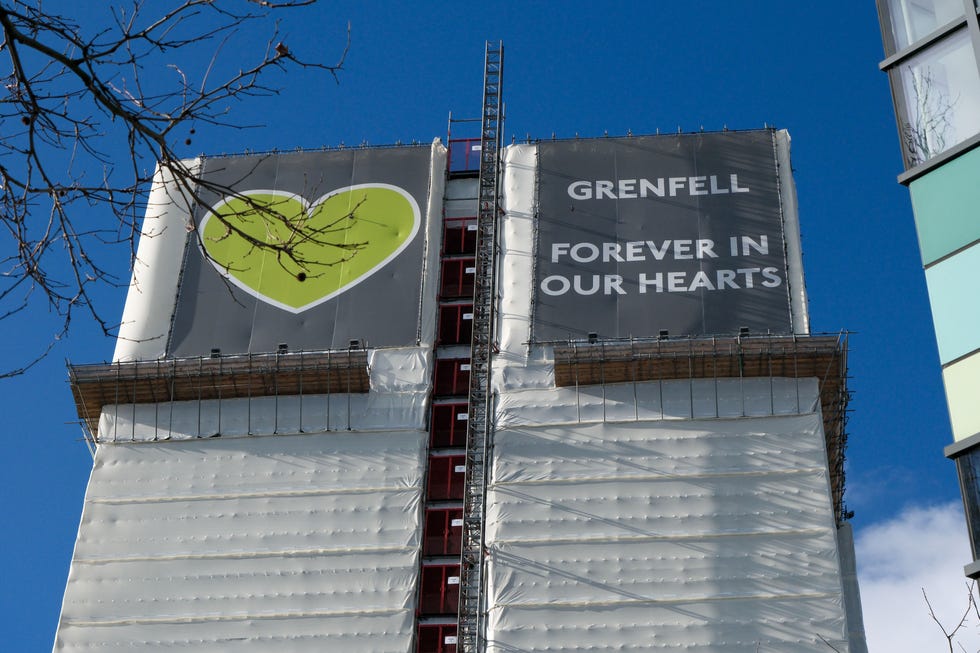
The tragic fire at Grenfell Tower on 14th June 2017, killed 72 people and many more lost their homes. The fire has been the subject of several Reflektions and Reflekt seminars. In this Reflektion we will be looking at how the recommendations from the Grenfell Tower Inquiry have been followed up.
The UK government accepted most of the 46 recommendations from the Grenfell Inquiry Phase 1 report and many of the recommendations have already been completed. It is widely recognised that the key recommendations are from Phase 2 of the Inquiry. In February 2025, the UK government formally responded and accepted all 58 recommendations. The majority were accepted in full, while some were accepted “in principle,” meaning further consultation or design work is required before full implementation. This acceptance level is significant, as governments are not legally obliged to adopt public inquiry recommendations. It signaled a political commitment to systemic reform across building safety, fire regulation, and construction oversight.
The government has committed to publishing regular progress reports and an annual update to Parliament. A public tracking system has also been introduced to monitor progress against each recommendation. As of late 2025, however, most recommendations remain in progress rather than completed. Implementation is expected to take several years.
In the construction sector, the government has proposed the creation of a single, more powerful construction regulator, alongside new licensing and competence requirements for contractors and professionals. These changes aim to address the fragmented regulatory environment identified by the Inquiry.
Building safety regulation is also being strengthened. This includes ongoing revisions to fire safety guidance (such as Approved Document B) and an expanded role for the Building Safety Regulator. In parallel, there is work to reform the testing and certification of construction products, with the goal of improving transparency and preventing the misuse of materials like those that led to the fire escalation at Grenfell.
In fire and emergency response, the government has committed to improving training, coordination, and communication within fire and rescue services. Proposals include enhanced national oversight and potentially the creation of a national college for fire and rescue. There is also a focus on ensuring better preparedness for complex, high-rise incidents.
The Inquiry placed strong emphasis on the safety of residents, particularly vulnerable individuals. In response, the government is developing policies such as Residential Personal Emergency Evacuation Plans (PEEPs) to ensure that those who may struggle to evacuate can be assisted effectively. Broader tenant safety and engagement measures are also being strengthened.
Alongside policy reform, there are ongoing efforts to ensure accountability for those involved in the disaster. This includes regulatory investigations, potential exclusion of implicated companies from public contracts, and continuing criminal investigations, with charging decisions anticipated in the coming years.
Despite these steps, the pace and delivery of change have attracted criticism. Many recommendations are still at consultation or planning stages, and campaigners have expressed concern about delays and the risk of diluted reforms. The Inquiry itself warned against the historic failure to act on previous fire safety recommendations, a concern that continues to shape scrutiny of the government’s response. While the government has accepted all recommendations and established mechanisms to track progress, the practical implementation of reforms remains incomplete. The effectiveness of the follow-up will depend on sustained political commitment and timely delivery over the coming years. Let us hope the Grenfell memory does not fade and the focus on implementation of the recommendations is sustained.