
The Weekly Reflektion 45/2026
Poor communication, followed by someone making an assumptionthat proves to be incorrect can lead to tragic consequences. The control of work procedures shall include the isolation of equipment and energy to ensure that inadvertent operation of equipment through poor communication does not happen. The intention it to keep the people out of the line of fire.
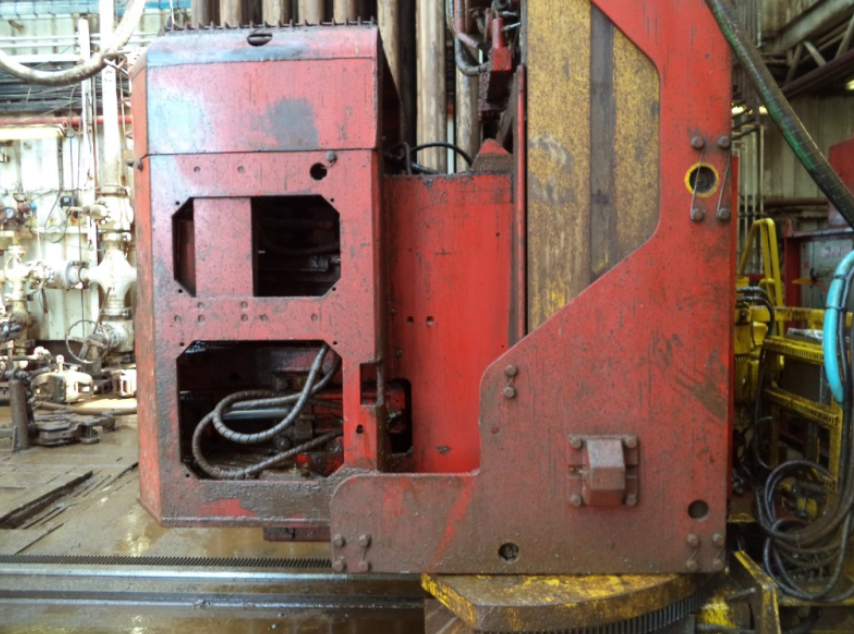
The iron roughneck involved in the incident
How do you communicate during critical activities?
In 2014, a fatal incident occurred involving a mechanic working on an iron roughneck, part of a pipe handling machine on a drilling rig. The starting point was when a hydraulic hose burst on the iron roughneck. A mechanic was called to the drill floor to investigate the problem. Following an initial inspection, he informed the driller that he would check whether a replacement hose was available. The driller explained that pipe handling operations would continue using other equipment.
Sometime later, the mechanic returned to the drill floor without informing the driller or other crew members. He entered a narrow space inside the pipe handling machine to change the damaged hose. Meanwhile, the assistant driller operated the equipment, causing the machine’s inner carriage to retract, trapping and fatally crushing the mechanic.
The immediate cause was the unexpected movement of machinery while someone was inside it. The incident raises broader questions about control of work, isolation of equipment, communication, coordination and the assumptions we make during routine work.The mechanic knew that operations were continuing but apparently did not recognise the danger of working on the involved equipment.The drilling crew knew that work was ongoing on the iron roughneck but did not know that the mechanic had returned and entered the machine. The work was considered a routine operation and was not covered by a permit to work that would potentially have required an isolation certificate.
Both parties were acting on different mental models of the situation, with no common picture. We often think of communication as simply passing information from one person to another. We tell someone what we intend to do and assume that our message has been understood. Effective communication requires more than exchanging words. It requires confirmation that everyone understands the activity, the associated risks and the precautions necessary to work safely.
This incident also highlights the importance of managing interfaces between different work groups. Maintenance personnel and drilling crews frequently work alongside one another, often under time pressure with no requirement for a permit to work. Unless responsibilities are clearly established, each group may assume that the other is managing the risks.
Communication alone cannot guarantee safety. Even perfect communication can fail, particularly when circumstances change. Physical barriers, equipment isolation and effective control of simultaneous operations must provide protection when human communication proves inadequate.
Both the rig crew and the maintenance worker were performing routine tasks, yet their interaction created a fatal situation. The greatest communication risk is not always what we fail to say, but what we assume others already know.