The Weekly Reflektion 39/2026
Last week’s Reflektion 38/2026, we asked the question whether you have control of corrosion. The simple message with respect to facilities processing hazardous materials is, keep it in the pipes. Corrosion is a serious threat to containment; however, it may not be the only degradation mechanism that needs to be controlled. This week we will consider degradation caused by biology. Organisms that eat away at our materials until one day they fail. Alternatively,inspection measures are in place to find the degradation before the failure occurs.
Do you follow up your inspection results?
There have been many Major accidents where deterioration has progressed for years, largely unnoticed, until a system reaches a condition where normal loads can produce failure.
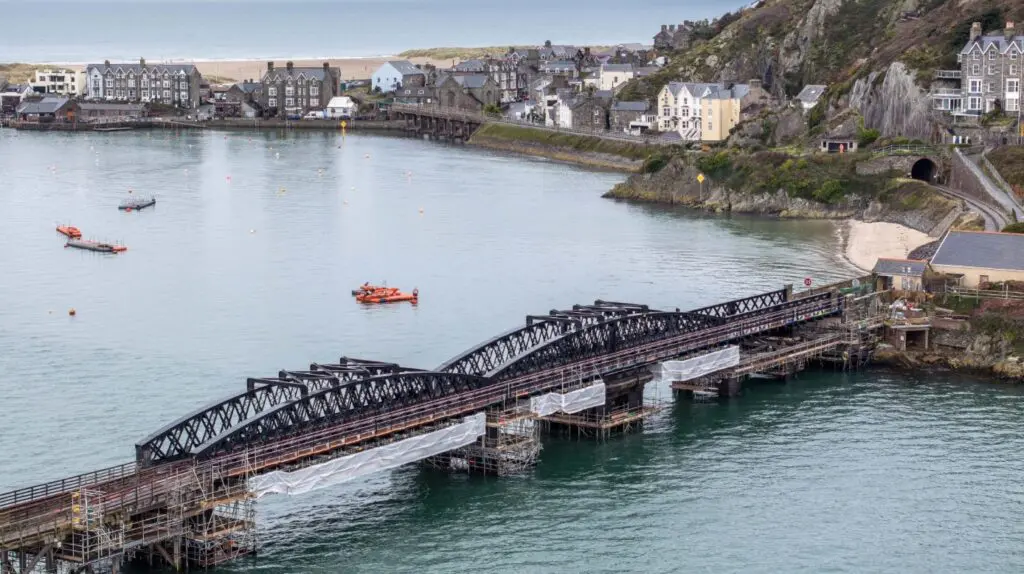
The Barmouth Viaduct carries the railway across the estuary of the river Mawddach, near Barmouth in Wales. It is the longest timber viaduct in Wales and one of the oldest still in use. Opened in 1867, much of the approximately 700-metre-long structure was constructed using timber piles and trestles. The bridge survived two world wars and a near miss with a live mine in 1946. By 1980, underwater inspection revealed serious deterioration of the timber supports caused by marine wood-boring organisms, particularly shipworm (Teredo navalis). The organisms had penetrated thetimber and progressively consumed it from the inside. The timber can retain a relatively normal external appearance while having lost a substantial proportion of its internal material and strength. The discovery of the shipworm led to the replacement of 48 piles and introduction of shrouds to piles to 73 of the 113 trestles. The work was carried out in a six-month closure of the railway in the 1980s.
Corrosion is particularly dangerous when it occurs where it cannot readily be seen. Internal corrosion of pipework, corrosion underinsulation (CUI), degradation inside vessels, erosion-corrosion, corrosion underneath clamps and supports, and deterioration of submerged structures can all progress while the external appearance gives little indication of the actual condition. This creates a dangerous mismatch between perceived and actual integrity.
A pipe may have originally had a wall thickness of 12 mm and still look perfectly acceptable externally when only a fraction of that thickness remains locally. Similarly, a structural member may appear sound while corrosion at a connection, splash-zone location or inaccessible surface has significantly reduced its load-bearing capacity. Normal operation continues, while safety margins are progressively disappearing.
The Barmouth experience demonstrates why inspection is a fundamental barrier against major accidents. The degradation was identified because the underwater structure was inspected. Without inspection, there was no reliable way of determining its actual condition from observations above the water. The same principle applies to our offshore and onshore processing facilities. Inspection programs should not simply concentrate on equipment that is easiest to inspect. They should deliberately seek out locations where degradation is most likely to occur and least likely to be visible. Inspection methods such as ultrasonic thickness measurement, radiography, corrosion mapping, intelligent pigging, remotely operated vehicle surveys and targeted removal of insulation provide ways of seeing what ordinary visual inspection cannot.
Inspection alone does not prevent accidents. The results from the inspection must lead to assessment and action. Findings need to be compared with acceptance criteria, degradation rates established, remaining life evaluated and repairs or replacements undertaken before margins become unacceptable. The absence of leaks, failures or visible damage should never be relied on as a measure of the integrity of the systems containing hazardous materials or providing structural support.