
The Weekly Reflektion 26/2026
Many of the Reflektions we have written concern the observation of, and reaction to, warning signals and misplaced faith in the integrity of barriers to known hazards. Indications that seemed so elusive before the incident, yet in hindsight they seemed so obvious. Barriers that we believed would protect us were not really up to the job. Sometimes the sheer magnitude of the consequences paralyses the organisation in the same way the rabbit freezes in the headlights of the oncoming car.
Do you freeze in the light of an oncoming disaster?
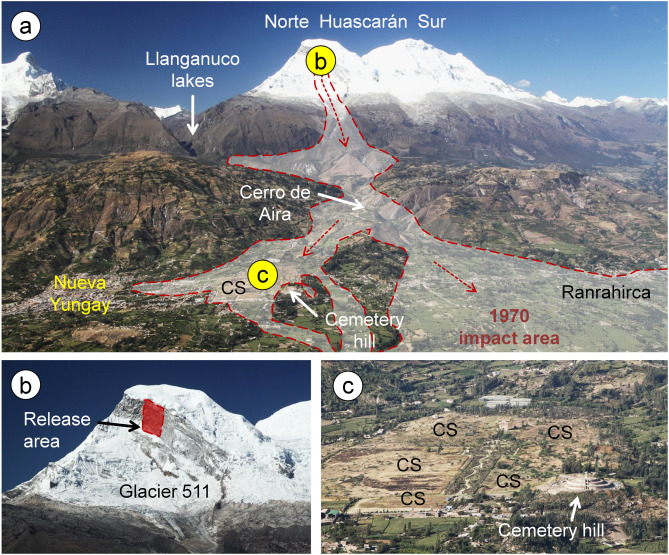
On 31 May 1970, one of the most devastating landslides in recorded history devastated the Peruvian town of Yungay. Triggered by a magnitude 7.9 earthquake off the coast of Peru, a massive section of glacier and rock broke away from the northern peak of Nevado Huascarán, Peru’s highest mountain. Within minutes, an avalanche of ice, mud, and rock swept through the valley, burying Yungaybeneath 3 to 5 meters of debris and killing an estimated 20,000 people. Approximately 100 million cubic meters of rock and ice accelerated down the mountain at speeds exceeding 280 km/h. The avalanche travelled nearly 18 kilometers in less than four minutes. The immense force of the debris flow overwhelmed everything in its path, including a 200-meter-high natural hill that local residentsbelieved would shield the town from danger. The hill, once considered a natural barrier, proved completely inadequate against the magnitude of the event.
While the earthquake itself could not have been prevented, the tragedy highlights a fundamental principle of major accident prevention: the importance of recognising and responding to warning signals before catastrophic events occur.
The slopes of Nevado Huascarán had exhibited signs of instability long before 1970. Previous rockfalls and avalanches had occurred in the region, and geologists had identified the mountain as a potential hazard. An avalanche from Huascarán in 1962 had killed thousands of people in nearby communities. These events should have reinforced the understanding that the mountain posed a significantongoing risk. However, the perceived safety provided by the natural ridge protecting Yungay led experts to underestimate the hazard.
This is a typical challenge in safety-critical industries. People often place confidence in existing barriers because they have worked in the past. However, barriers have design limits, and assumptions about their effectiveness must continually be challenged. A control that successfully mitigates smaller events may fail completely when exposed to conditions with a much greater magnitude.
The Huascarán disaster also demonstrates the danger of ignoring signals. Historical events, geological evidence, and expert assessments all indicated that a major avalanche was possible. Had these signals been fully recognised, land-use planning, relocation of vulnerable communities, or the establishment of emergency evacuation procedures might have significantly reduced the loss of life.
Major accident prevention is built upon learning from these types of events. Organisations are encouraged to identify hazardous events, investigate near misses, monitor changes in risk, and respond proactively rather than reactively. Some signals do not demand immediate attention on their own, but when viewed collectively, they often reveal the potential for catastrophic failure.
The destruction of Yungay remains a sobering reminder that disasters are not always the result of a single unexpected event. More often, they occur when known hazards, historical lessons, and warning signs are overlooked or underestimated. Effective prevention depends on continuously observing these signals, questioning existing assumptions, and acting decisively before natural or manmade hazards reach a point where intervention is no longer possible.