
The Weekly Reflektion 07/2026
There is always so much going on and the list of things to do never seems to get smaller. Despite many things getting done, new activities pop up all the time. In any organisation the pressures on management to perform and achieve objectives, to create a good working environment and ensure the operation is safe and effective, is high. Managing all the activities and all the expectations inevitably requires prioritisation. The art of selecting what the organisation should focus on, and what the organisation should not focus on. In Reflekt’s worldview this prioritisation should be guided by the basic principle of, you don’t need to get everything right; you need to get the big things right. Major Accidents are undoubtably a big thing, so you always need to prioritize this.
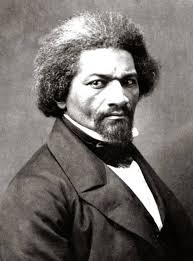
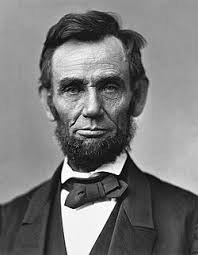
Are you getting the big things right?
Frederick Douglass was the most important leader of the movement for African American civil rights in the 19th century. Douglass escaped from slavery in Maryland in 1838 and became a national leader of the abolitionist movement in Massachusetts and New York. He was famous for his oratory and insightful antislavery writings.
Douglass made a speech at the unveiling of the Freedman’s monument 14th April 1876, where he talked about Abraham Lincoln. Douglass started his speech by recognising that Lincoln was essentially a president for the white people.
He was preeminently the white man’s President, entirely devoted to the welfare of white men. He was ready and willing at any time during the first years of his administration to deny, postpone, and sacrifice the rights of humanity in the colored people to promote the welfare of the white people of this country. In all his education and feeling he was an American of the Americans.
However, despite his prejudices, Lincoln was after all a product of his times, he did recognize the moral dilemma and scourge that was slavery. As Douglass stated in his speech.
His great mission was to accomplish two things: first, to save his country from dismemberment and ruin; and, second, to free his country from the great crime of slavery.
Though Mr. Lincoln shared the prejudices of his white fellow-countrymen against the Negro, it is hardly necessary to say that in his heart of hearts he loathed and hated slavery.
Douglass talked about the man meeting the moment and the courage of Lincoln on focusing on the big things, or thing. Douglass described Lincoln as being tardy, cold and dull and indifferent as a person, and hardly a ‘friend’ of the Negro. He did however conclude that Lincoln was…
..emphatically, the black man’s President: the first to show any respect to their rights as men
Focusing on the big things means resisting distraction from minor and often simple issues. Safety programs can become overly focused on counting minor incidents, enforcing paperwork compliance, or correcting trivial rule violations, while leaving serious hazards unresolved. These activities may create an appearance of control, but they do little to prevent catastrophic outcomes. Real safety improvement comes from addressing root causes: outdated equipment, conflicting production pressures, poor training, unclear authority, and the silencing of frontline concerns.
Leadership plays a decisive role. Leaders do not need to foresee every failure scenario, but they must set unmistakable priorities. When leaders consistently demonstrate that safety outranks speed, cost, or convenience, this message shapes daily decisions across the organization. Conversely, when shortcuts are rewarded or warnings dismissed, risk accumulates quietly until a major accident becomes inevitable.